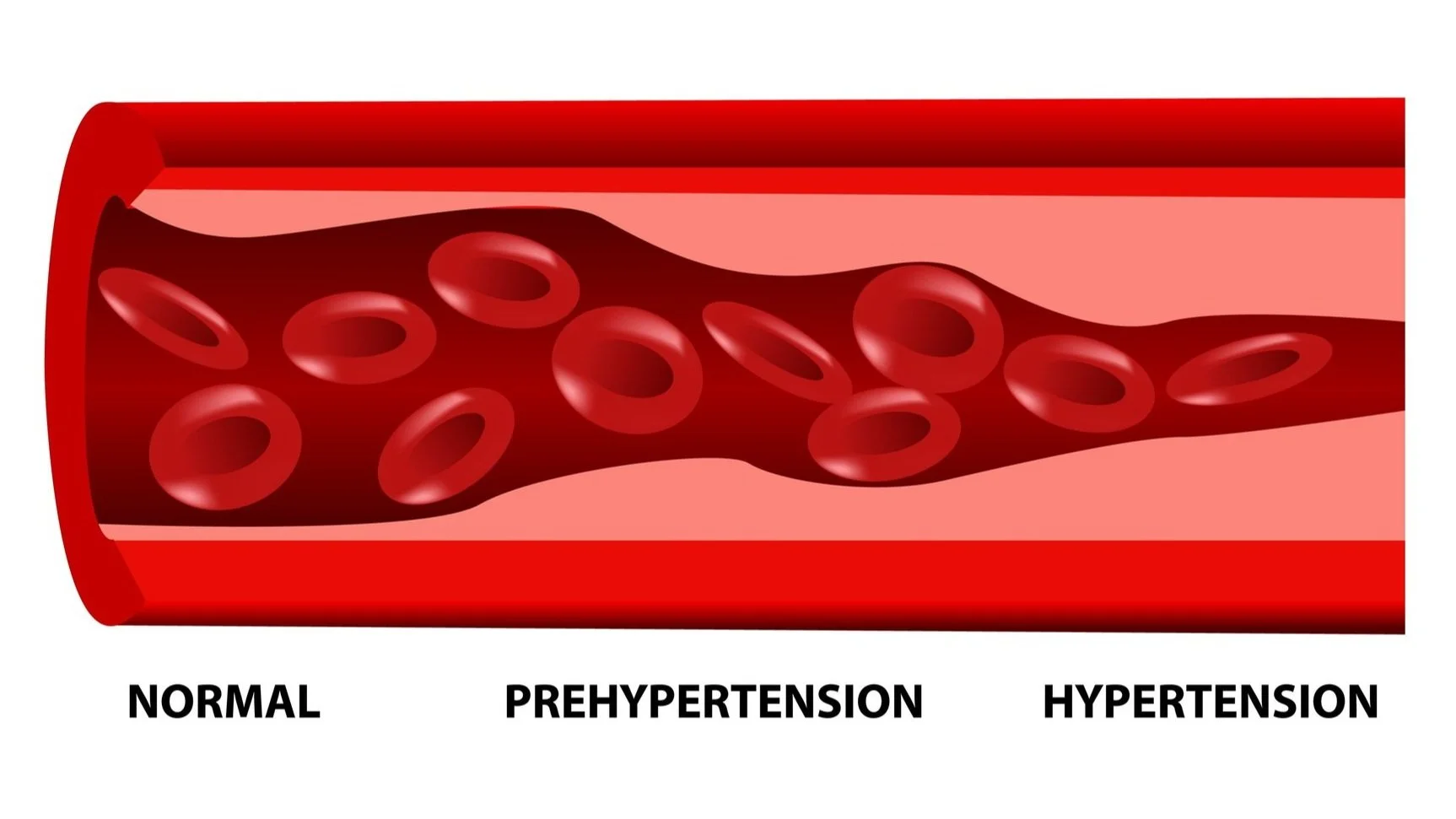
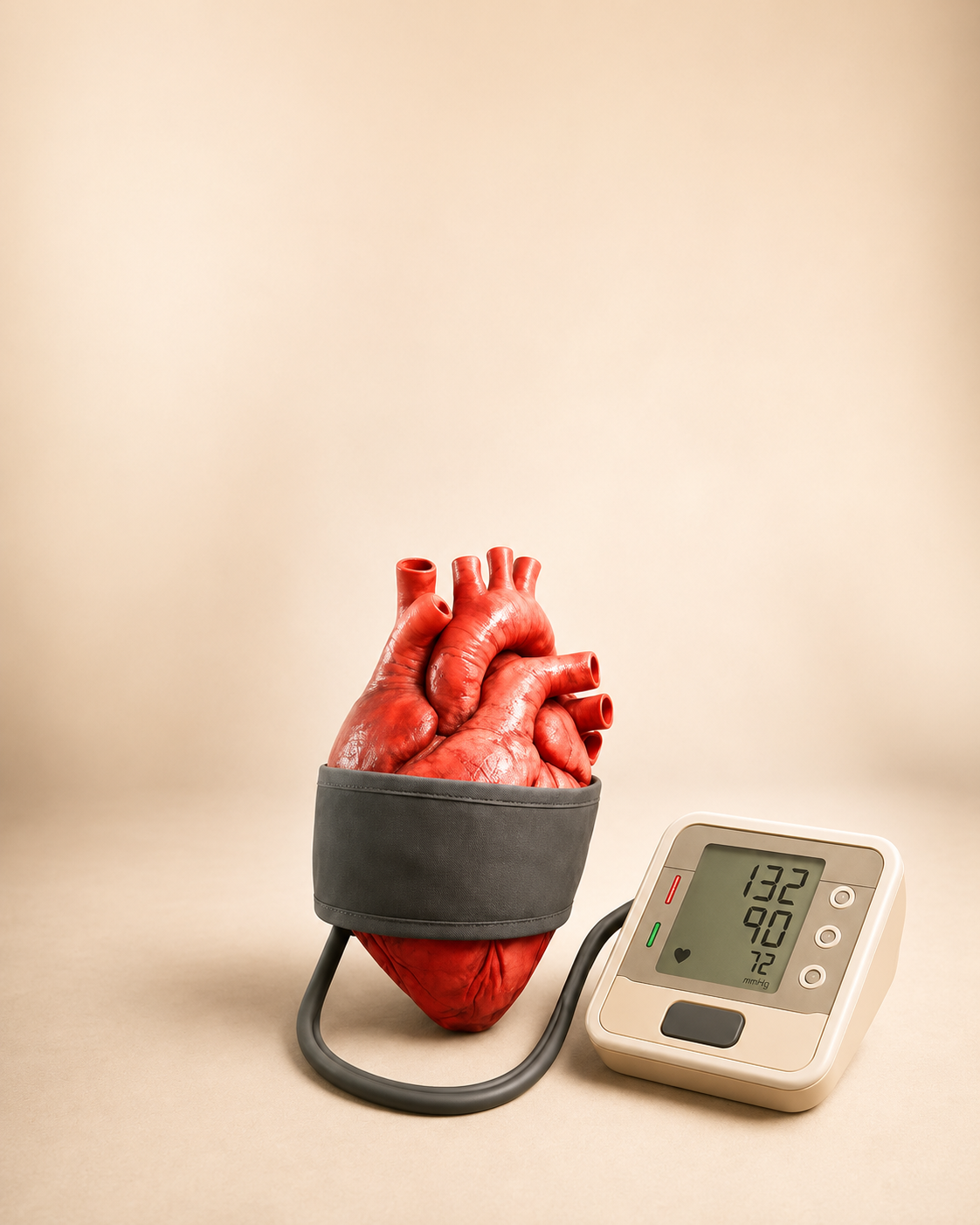
Secondary Hypertension is high blood pressure caused by an identifiable underlying condition. Unlike Primary Hypertension, which develops gradually over time, Secondary Hypertension can appear more suddenly and often results in higher blood pressure readings than the primary form.
Common Underlying Causes
Kidney disease or kidney artery narrowing
Hormonal disorders, such as thyroid or adrenal gland conditions
Certain medications, including some pain relievers, decongestants, and hormonal treatments
Obstructive sleep apnea
Congenital blood vessel abnormalities
Recognizing the Signs
Because Secondary Hypertension is tied to another underlying condition, it may come with additional symptoms beyond high blood pressure alone, such as unexplained fatigue, changes in urination, irregular heartbeat, or sudden spikes in blood pressure that are difficult to control with standard treatment.
Living Well With Secondary Hypertension
Managing Secondary Hypertension starts with identifying and treating the underlying cause. In many cases, addressing the root condition — whether through medical treatment, medication adjustment, or lifestyle changes — can bring blood pressure back under control. This makes early diagnosis and a thorough medical evaluation especially important.
ADHA encourages anyone experiencing sudden or difficult-to-control high blood pressure to seek prompt medical evaluation, as it may be a sign of an underlying condition that requires targeted treatment.
Join the Movement with ADHA
Diabetes does not have to define Africa's future. Together, through awareness, education, and community support, we can help build a continent that is healthy, informed, and free to thrive.