About Hypertension
Hypertension, or high blood pressure, is often called the “silent killer” — and nowhere is that more true than across the African continent, where it frequently goes undetected until it has already caused serious harm. Alongside Diabetes, it stands as one of the leading threats to the health and productivity of African families, quietly damaging the heart, brain, kidneys, and blood vessels long before symptoms ever appear.
What is Hypertension?
Hypertension occurs when the force of blood pushing against the walls of the arteries remains consistently too high over time. The heart has to work harder to pump blood throughout the body, which can gradually damage blood vessels and vital organs, and significantly increase the risk of heart attack, stroke, and kidney disease.
Why It Matters in Africa
Hypertension affects a growing share of both rural and urban populations across Africa, often alongside Diabetes, with each condition worsening the risks posed by the other. Because high blood pressure typically has no obvious symptoms, many people live with it for years without knowing — making regular screening one of the most powerful tools available for prevention. ADHA believes that with accessible knowledge and early detection, communities across Africa can take control of this condition before it takes control of them.
Understanding the Different Forms
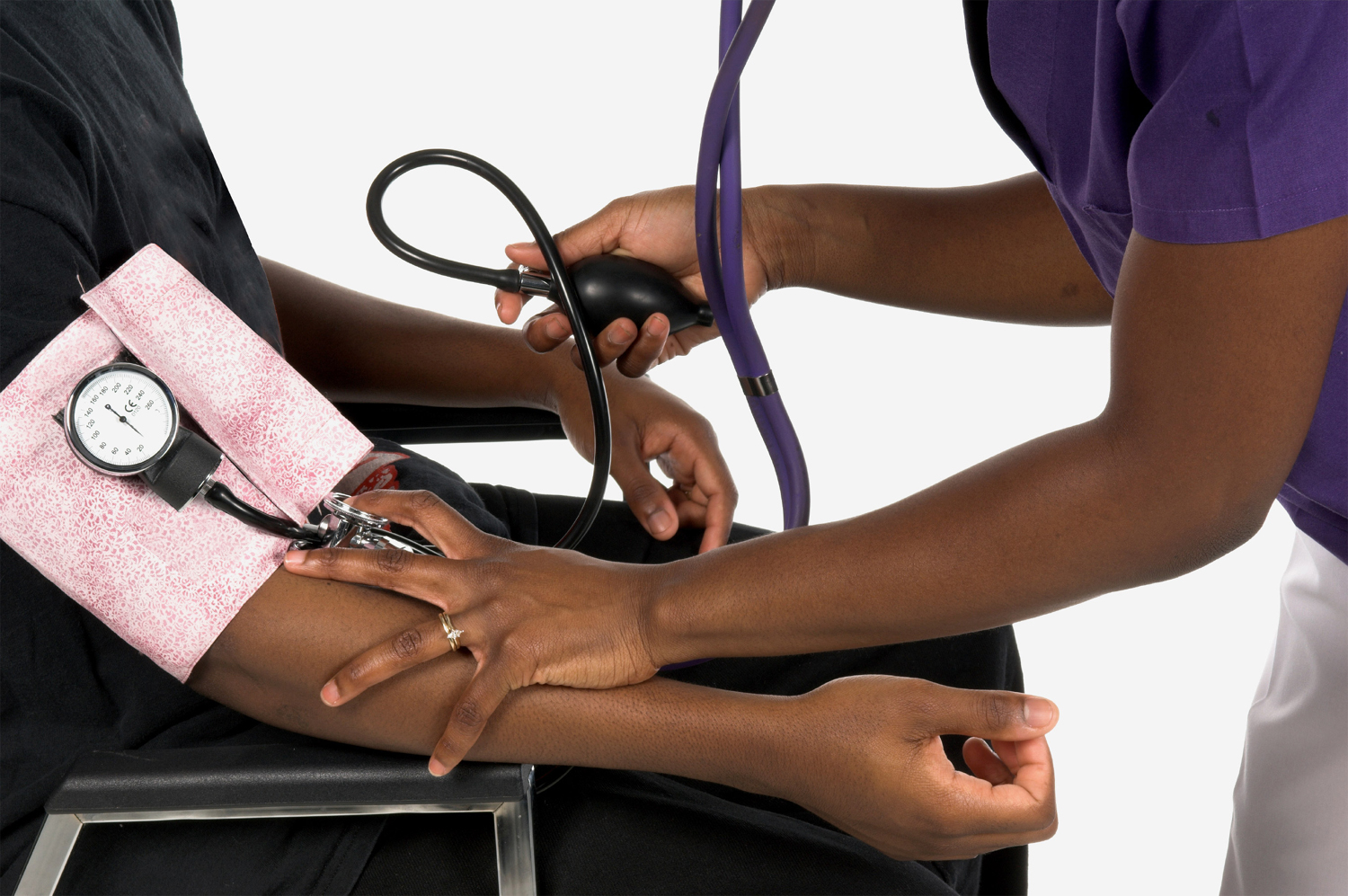
Hypertension is not experienced the same way by everyone. Understanding its different forms helps individuals and families recognize their own risk and take the right steps:
- Primary Hypertension — The most common form, developing gradually over years due to a combination of genetics, lifestyle, and aging.
- Secondary Hypertension — High blood pressure caused by an underlying condition, such as kidney disease or hormonal disorders.
- Hypertension in Pregnancy — A condition requiring close monitoring to protect the health of both mother and baby.
- Hypertension in Kids & Teens — An often-overlooked but rising concern, particularly linked to childhood obesity and inactivity.
- Prehypertension — An early warning stage where blood pressure is elevated but not yet classified as hypertension, offering a critical window for prevention.
Living Well With Hypertension
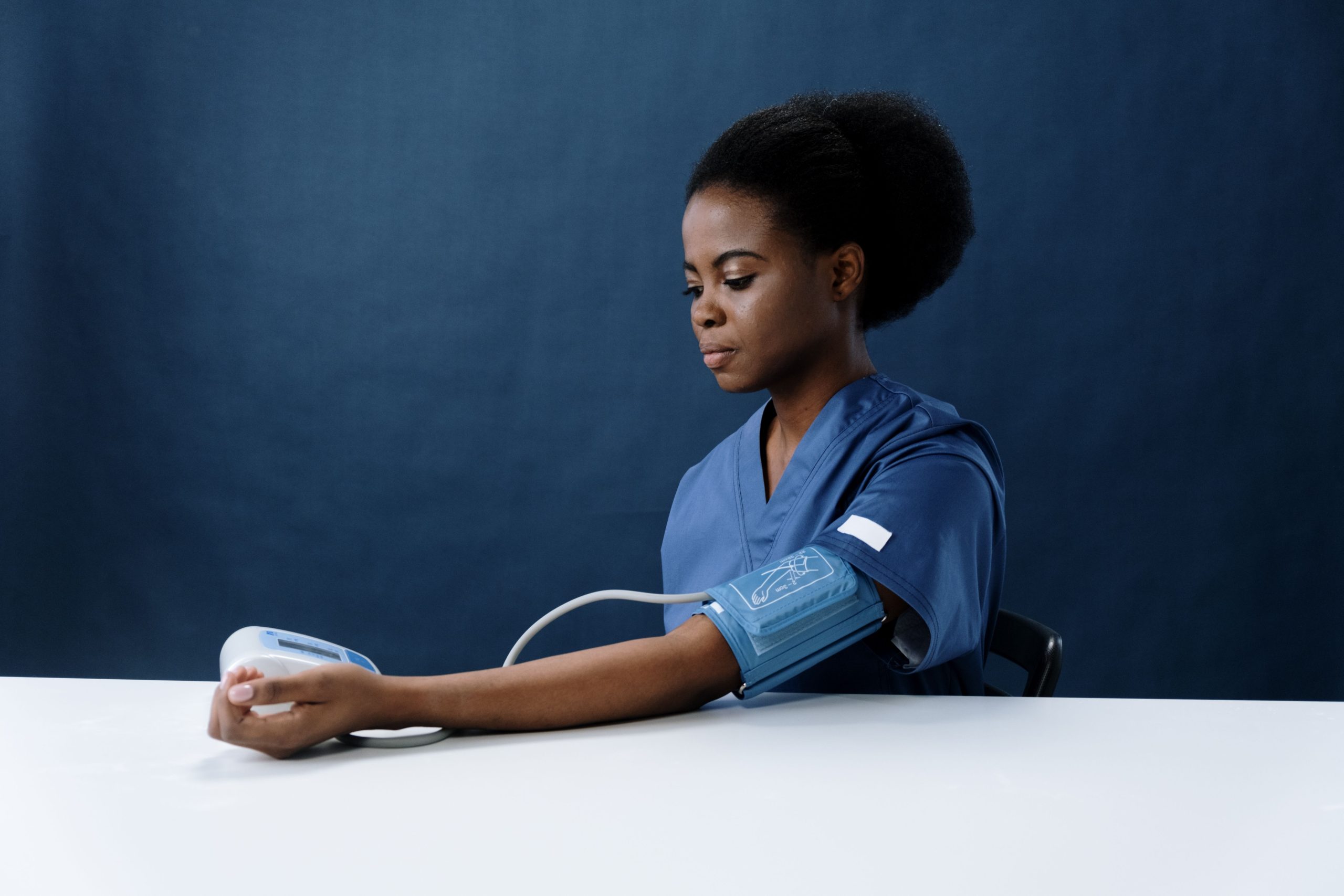
Whether the goal is prevention or ongoing management, ADHA’s approach centers on empowering individuals with practical, reliable knowledge — from understanding blood pressure numbers, to nutrition and physical activity, to knowing when to seek care. Learn more about how hypertension is managed on our Medical Management page.
Small, consistent changes often make the biggest difference in managing hypertension — reducing salt intake, staying physically active, managing stress, avoiding tobacco and excessive alcohol, and maintaining a healthy weight. For many, these lifestyle adjustments alone can bring blood pressure back into a healthy range; for others, they work hand in hand with medication prescribed by a healthcare provider. What matters most is consistency — because unlike a short-term treatment, managing hypertension is a lifelong commitment to protecting the heart and body from long-term harm.

Join the Movement with ADHA
High blood pressure does not have to remain silent in Africa. Through awareness, early detection, and community-driven education, ADHA is working to help build a continent that recognizes the warning signs and acts on them — before it's too late.