Prediabetes
Understanding Prediabetes
Prediabetes is a condition in which blood sugar levels are higher than normal but not yet high enough to be classified as Type 2 Diabetes. It is a critical warning stage — and also a powerful opportunity, because with timely action, progression to full-blown diabetes can often be prevented or delayed.
Why It's Often Missed
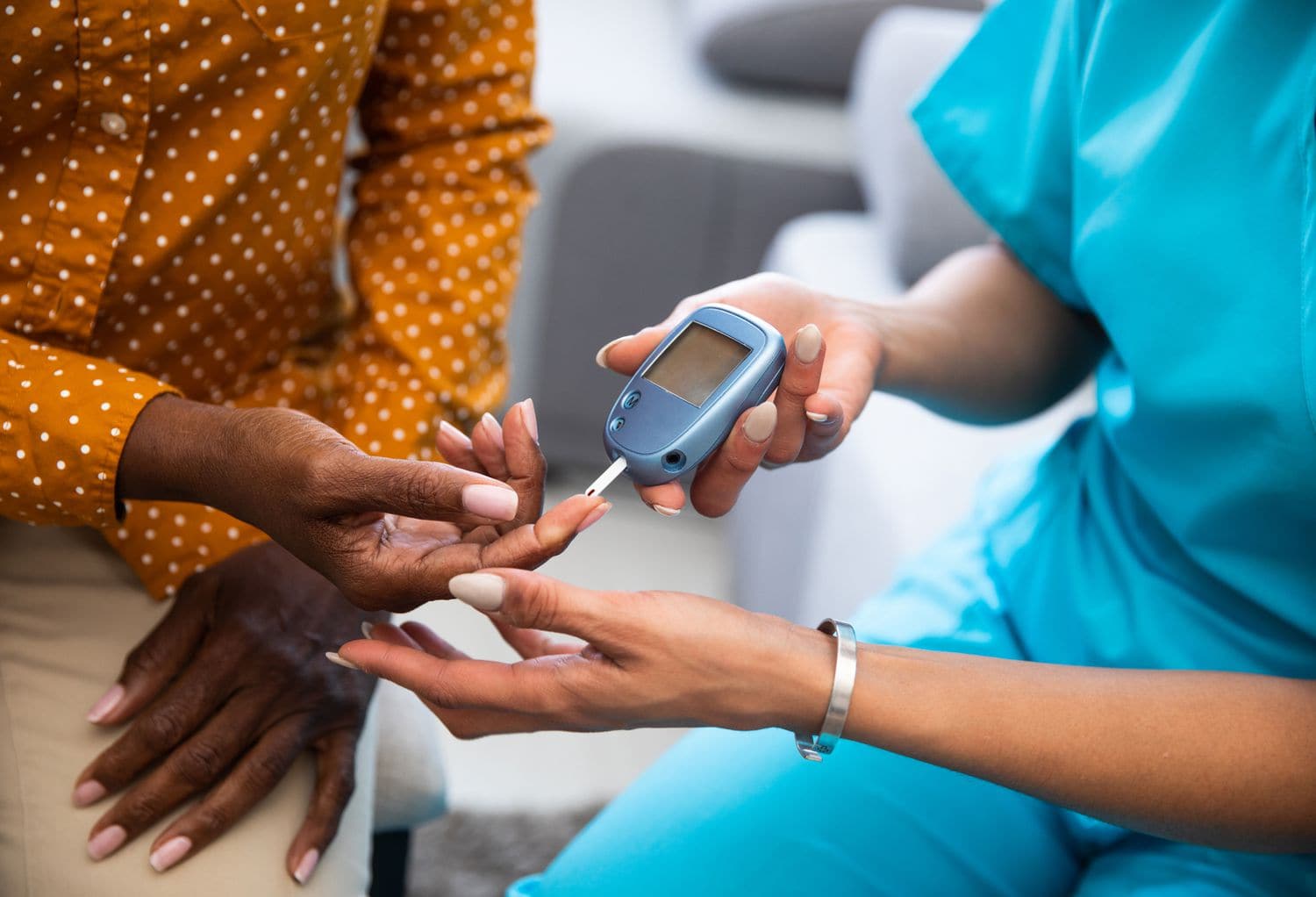
Prediabetes is identified through simple blood sugar tests, typically carried out at a clinic or health center. Common screening methods include a fasting blood sugar test, a random blood sugar test, or an HbA1c test, which measures average blood sugar levels over the past two to three months. These tests are quick, widely available, and often the only way to detect prediabetes, since the condition itself produces no noticeable symptoms. Routine screening — especially for individuals with known risk factors — is the most reliable way to catch prediabetes early enough to act on it.
Prediabetes typically has no clear symptoms, which is why so many people across Africa are living with it unknowingly. Left unaddressed, it significantly raises the risk of developing Type 2 Diabetes, as well as heart disease and stroke.

Risk Factors
- Being overweight, especially around the waist
- Physical inactivity
- Family history of Type 2 Diabetes
- High blood pressure
- Age over 45
- History of Gestational Diabetes
Turning the Warning Into Action
A prediabetes diagnosis is not a life sentence — it’s a call to action. Research consistently shows that modest, sustainable lifestyle changes can significantly reduce the risk of progressing to Type 2 Diabetes. This includes:
- Adopting a balanced, whole-food diet
- Increasing regular physical activity
- Achieving and maintaining a healthy weight
- Scheduling regular blood sugar screening

ADHA's Role
ADHA believes prediabetes represents one of the greatest opportunities to change Africa’s health trajectory. By promoting regular screening and early lifestyle intervention, we aim to help individuals catch the warning signs early — before they become a lifelong diagnosis.
Communities across Africa often lack easy access to routine screening, which means prediabetes goes undetected until it has already progressed. ADHA is working to change this by advocating for accessible screening programs and equipping local health workers and volunteers with the tools to identify at-risk individuals early. We believe that when people are given a timely warning and the knowledge to act on it, prevention becomes not just possible, but achievable on a wide scale — one community at a time.
Join the Movement with ADHA
Diabetes does not have to define Africa's future. Together, through awareness, education, and community support, we can help build a continent that is healthy, informed, and free to thrive.