
Prevention & Management
Managing Diabetes
Effective management of Diabetes requires a combination of medical care, lifestyle adjustments, and consistent monitoring. While every individual’s care plan should be guided by a qualified healthcare provider, there are core principles that apply broadly across all types of diabetes.
Diabetes often develops gradually and can go undetected for years, which is why prevention and early management matter just as much as treatment after diagnosis. Across Africa, limited access to regular screening means many people are diagnosed later than they should be, often after complications have already begun. ADHA believes that with the right knowledge, consistent habits, and access to care, individuals can take charge of their diabetes and significantly reduce their long-term health risks. The principles below are not a substitute for professional medical advice, but a foundation for understanding what effective, sustained management looks like.
Core Pillars of Prevention
1. Healthy Nutrition
A diet rich in vegetables, whole grains, and lean proteins — and lower in processed sugars and refined carbohydrates — plays a central role in preventing and managing diabetes.
2. Regular Physical Activity
Consistent movement helps the body use insulin more effectively and supports healthy blood sugar levels over time.
3. Maintaining a Healthy Weight
Excess weight, particularly around the abdomen, is one of the most significant risk factors for developing Type 2 Diabetes.
4. Routine Screening
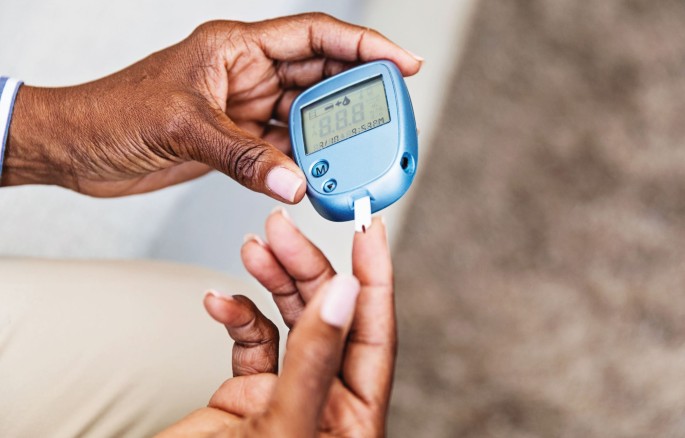
Because diabetes often shows no early symptoms, regular blood sugar checks are essential for catching warning signs while they are still reversible — especially for those with known risk factors.

Core Pillars of Management
For those already living with diabetes, effective management builds on these same foundations, with a few additional priorities:
1. Consistent Monitoring
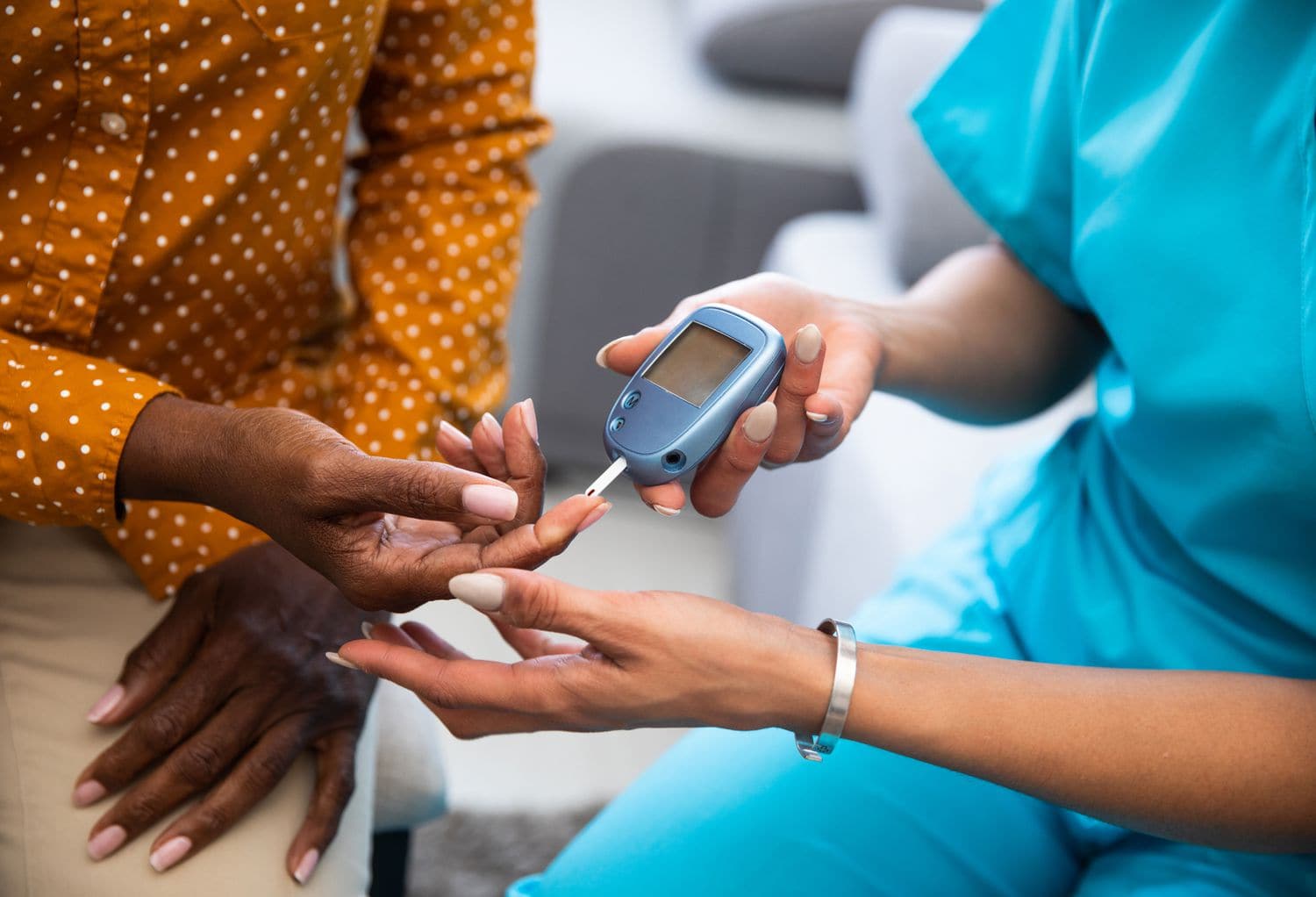
Regular blood sugar checks help individuals and healthcare providers track progress and adjust care plans as needed.
2. Medication and Insulin Therapy
For many individuals, lifestyle changes alone are not enough. Prescribed medications or insulin therapy, taken exactly as directed by a healthcare provider, are essential tools in keeping blood sugar within a healthy range.
3. Routine Medical Check-Ups
Regular visits to a healthcare provider allow for early detection of complications affecting the eyes, kidneys, nerves, and heart — areas most vulnerable to long-term unmanaged diabetes.
4. Emotional and Community Support
Living with a chronic condition can be overwhelming. Support from family, community, and peer networks plays a powerful role in helping individuals stay consistent with their care.

A Note on Care
ADHA provides general education and awareness resources, but medical management decisions — including medication, dosage, and treatment plans — should always be made in consultation with a licensed healthcare provider. If you or someone you know is living with Diabetes, we encourage you to seek professional medical guidance alongside the resources ADHA provides.
No one should have to face Diabetes alone. Beyond information, ADHA is building a community of support — connecting individuals and families with resources, awareness programs, and a network of people who understand the daily realities of living with this condition. Whether you are newly diagnosed, supporting a loved one, or simply seeking to understand more, ADHA is here to walk that journey with you, one informed step at a time.
Join the Movement with ADHA
Diabetes does not have to define Africa's future. Together, through awareness, education, and community support, we can help build a continent that is healthy, informed, and free to thrive.