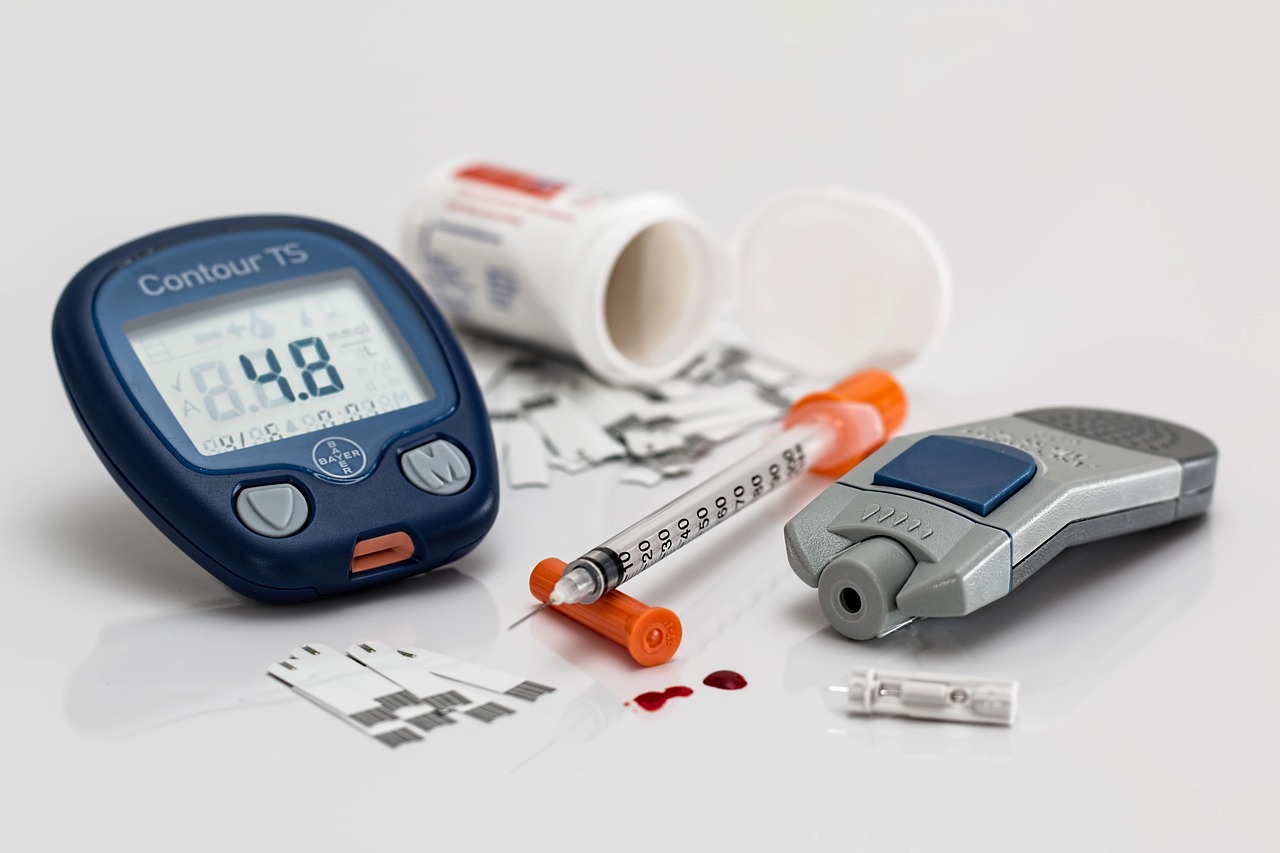
Gestational Diabetes is a form of diabetes that develops during pregnancy in women who did not previously have diabetes. It occurs when hormonal changes during pregnancy make it harder for the body to use insulin effectively, leading to elevated blood sugar levels.
Why It Matters
If left unmanaged, Gestational Diabetes can pose risks to both mother and baby, including complications during delivery and an increased likelihood of the baby being born large for gestational age. It can also increase the mother’s risk of developing Type 2 Diabetes later in life.
The encouraging news is that with early detection and proper care, most women with Gestational Diabetes go on to have healthy pregnancies and healthy babies.
Risk Factors
Family history of diabetes
Being overweight before pregnancy
Previous history of Gestational Diabetes
Age (risk increases with maternal age)
Certain ethnic and genetic predispositions
Because symptoms can develop quickly, early recognition and diagnosis are critical — especially in children, where signs are sometimes mistaken for other illnesses.
Screening and Care
Routine prenatal screening is the most reliable way to detect Gestational Diabetes, typically carried out between the 24th and 28th week of pregnancy. Once diagnosed, care usually involves monitoring blood sugar levels, healthy eating, regular physical activity, and close follow-up with a healthcare provider throughout the remainder of the pregnancy.
ADHA encourages expectant mothers across Africa to prioritize prenatal screening as a vital step toward a safe pregnancy and a healthy start for their child.
Join the Movement with ADHA
Diabetes does not have to define Africa's future. Together, through awareness, education, and community support, we can help build a continent that is healthy, informed, and free to thrive.