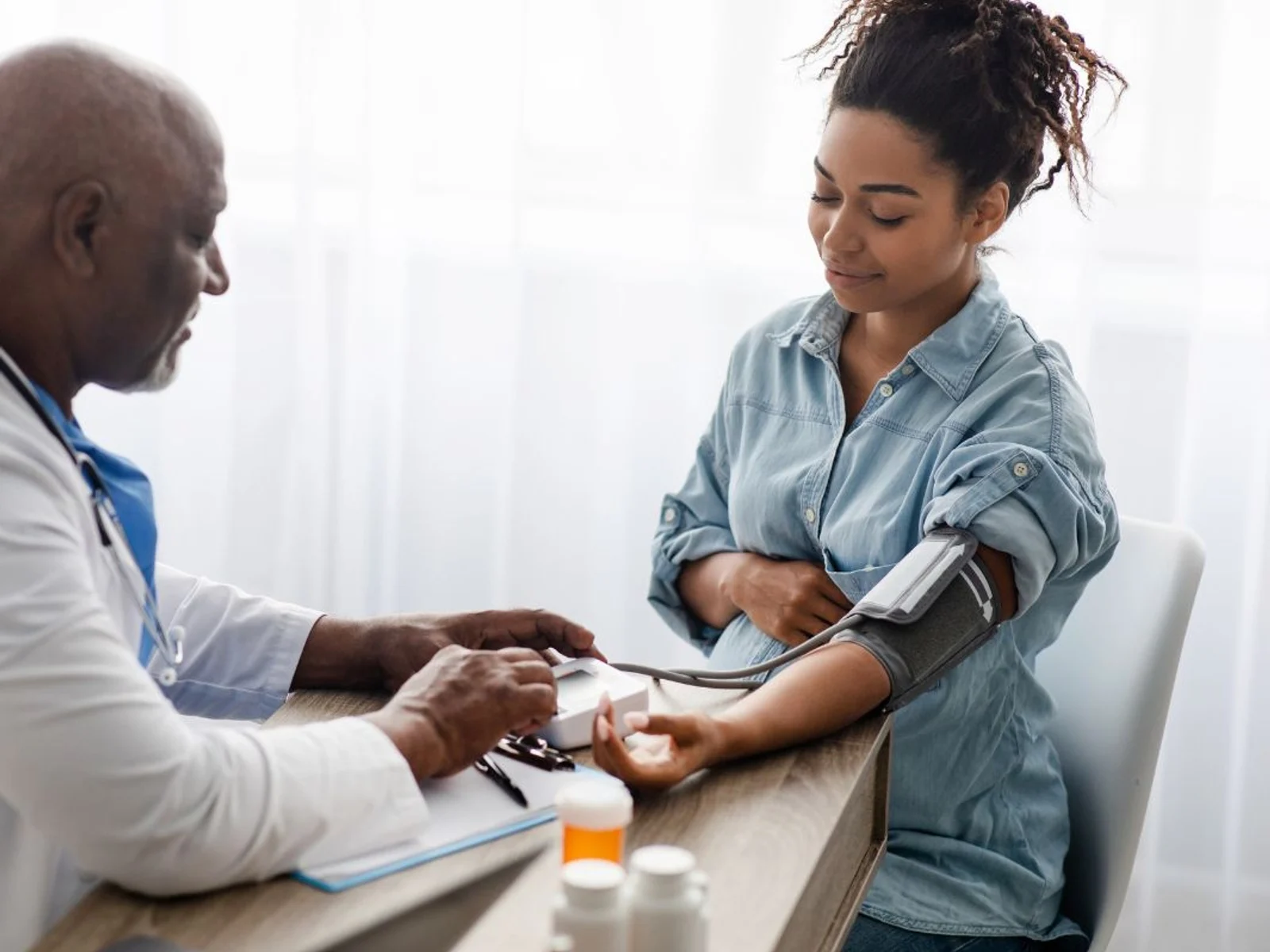
High blood pressure during pregnancy is a condition that requires close attention, as it can affect the health of both mother and baby. It can appear in different forms — from blood pressure that was already elevated before pregnancy, to conditions that develop during pregnancy itself, such as gestational hypertension and preeclampsia.
Why It Matters
Left unmanaged, hypertension during pregnancy can increase the risk of complications including preterm birth, low birth weight, and, in more serious cases, risks to the health of the mother. The encouraging news is that with regular prenatal care and close monitoring, most women with hypertension in pregnancy go on to have safe deliveries and healthy babies.
Warning Signs to Watch For
Severe headaches
Sudden swelling in the hands, feet, or face
Vision changes, such as blurriness or seeing spots
Upper abdominal pain
Sudden weight gain
Any of these symptoms during pregnancy should be reported to a healthcare provider promptly.
Care and Monitoring
Routine prenatal visits are the most reliable way to detect and monitor hypertension during pregnancy. Blood pressure is typically checked at every prenatal appointment, allowing healthcare providers to catch changes early and adjust care as needed throughout the pregnancy.
ADHA encourages expectant mothers across Africa to prioritize consistent prenatal care as a vital step toward protecting both their health and their baby’s.
Join the Movement with ADHA
Diabetes does not have to define Africa's future. Together, through awareness, education, and community support, we can help build a continent that is healthy, informed, and free to thrive.